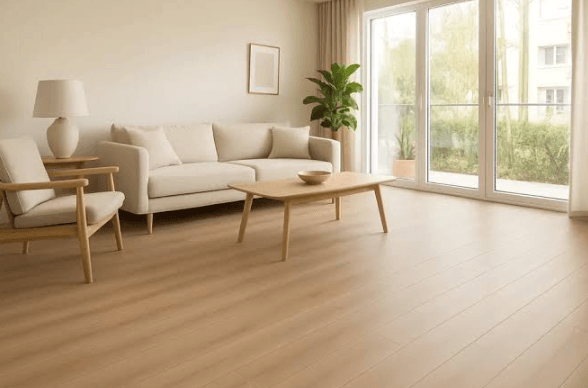
As commercial and residential flooring demands continue evolving toward materials that combine durability, water resistance, and design flexibility, a newer category of composite flooring has been gaining traction among architects, contractors, and property developers. Understanding what distinguishes this material from earlier composite flooring generations helps clarify why it’s attracting growing attention across renovation and new construction projects alike.
Positioning Within the Composite Flooring Landscape
Composite flooring materials have evolved considerably over recent years, with manufacturers continuously refining core compositions and manufacturing processes to improve dimensional stability, water resistance, and overall durability compared to earlier generations of vinyl and laminate flooring products. LSPC flooring represents part of this ongoing evolution, incorporating stone polymer composite core technology designed to address common limitations found in older flooring formulations.
Core Composition and Structural Benefits
The stone polymer composite core used in this flooring category typically combines calcium carbonate or similar mineral fillers with polymer binders, creating a dense, dimensionally stable core layer that resists the expansion and contraction issues that can affect purely polymer-based flooring products when exposed to temperature fluctuations or moisture. This dimensional stability makes the material particularly well suited to environments where flooring needs to maintain consistent performance across varying conditions.
Water Resistance Performance
One of the most significant advantages associated with stone polymer composite flooring categories is genuine water resistance, allowing installation in areas where traditional laminate or engineered wood flooring would be unsuitable due to moisture exposure risk, such as bathrooms, kitchens, and basement areas. This water resistance stems directly from the mineral-based core composition, which doesn’t absorb and swell with moisture exposure the way wood-based composite cores can.
See also: Tips for Choosing Health Insurance for Self-Employed Individuals
Installation Considerations
Flooring in this category typically utilizes click-lock installation systems that allow for relatively straightforward installation without requiring adhesives across the full floor area, simplifying both initial installation and potential future floor replacement if needed. However, proper subfloor preparation remains important regardless of the flooring material’s inherent stability, since an uneven or improperly prepared subfloor can affect the long-term performance of any click-lock flooring system.
Comparing Performance to Traditional Options
Property developers and contractors evaluating flooring options should weigh the higher upfront cost typically associated with premium composite flooring categories against the reduced long-term maintenance and replacement costs that improved durability and water resistance can deliver over the flooring’s service life, particularly in commercial applications with heavy foot traffic.
Selecting Quality Products Within This Category
As with any evolving flooring category, quality varies considerably between manufacturers, making it important for buyers to review technical specifications regarding wear layer thickness, core density, and warranty terms rather than assuming all products marketed within this broader category deliver equivalent performance.
Conclusion
Stone polymer composite flooring technology continues to address longstanding limitations in the broader composite flooring market, offering improved dimensional stability and water resistance compared to earlier flooring generations. For projects requiring durable, moisture-resistant flooring without sacrificing design flexibility, this category deserves serious consideration during material selection.
FAQs
Q1: How does stone polymer composite flooring compare to traditional laminate flooring? It generally offers superior water resistance and dimensional stability, since the mineral-based core doesn’t swell or warp with moisture exposure the way some laminate cores can.
Q2: Is this type of flooring suitable for bathrooms and kitchens? Yes, the water resistance properties make it suitable for moisture-prone areas where traditional laminate or wood flooring would typically be unsuitable.
Q3: What installation method is typically used for this flooring category? Most products use click-lock installation systems that don’t require full-area adhesive application, simplifying both installation and potential future replacement.