Home fitness swimming has surged in popularity as more people discover the unmatched combination of cardiovascular conditioning, muscle engagement, and low-impact exercise that water workouts provide. Whether you’re a competitive swimmer maintaining form or a fitness enthusiast seeking a full-body challenge, the pool you choose fundamentally shapes your training outcomes. This brings us to a critical decision that many face today: should you invest in a traditional static pool or opt for a modern jet swimming pool designed specifically for swim fitness?
The answer isn’t one-size-fits-all. Static pools have served swimmers well for decades, offering open water for lap training and recreational use. Jet pools, however, represent a technological leap forward—creating endless swimming currents that transform compact spaces into powerful training environments. In this article, we’ll break down both options through a fitness-focused lens, comparing their workout potential, adaptability, and practical considerations. By the end, you’ll have a clear understanding of which pool type aligns with your specific workout requirements, space constraints, and long-term fitness ambitions.
Understanding Static Pools: The Traditional Fitness Option
Static pools refer to conventional in-ground or above-ground swimming pools that contain a fixed body of water without any current-generating mechanisms. Their design is straightforward: a rectangular or freeform basin filled with treated water, typically ranging from 20 to 50 feet in length for residential installations. For decades, these pools have been the default choice for homeowners who want to swim for fitness, and they remain a familiar sight in backyards across the country.
From a fitness perspective, static pools primarily support lap swimming—the repetitive back-and-forth motion that builds cardiovascular endurance and engages major muscle groups. Swimmers push off one wall, stroke to the opposite end, execute a flip turn or open turn, and repeat. This format works well for those who enjoy meditative, rhythm-based exercise and want to log distance over time. The open water also accommodates basic aquatic exercises like treading water, water walking, and simple resistance drills.
However, static pools present notable limitations for fitness-minded users. The available swimming distance is permanently fixed by the pool’s dimensions, meaning shorter pools force frequent interruptions for turns. There’s no way to adjust water resistance beyond changing your stroke intensity, which restricts progressive training. Workout variety plateaus quickly since the environment remains constant—no current variation, no programmable challenges, and no way to simulate open-water conditions. For swimmers who thrive on consistent, predictable routines and have sufficient backyard space for a longer pool, static designs serve their purpose adequately. But for those craving dynamic, adaptable training sessions, these traditional pools often fall short of modern fitness expectations.
See also: Mutf_In: Sbi_Tech_Oppo_11l6xtb
Exploring Jet Pools: Advanced Technology for Swim Training
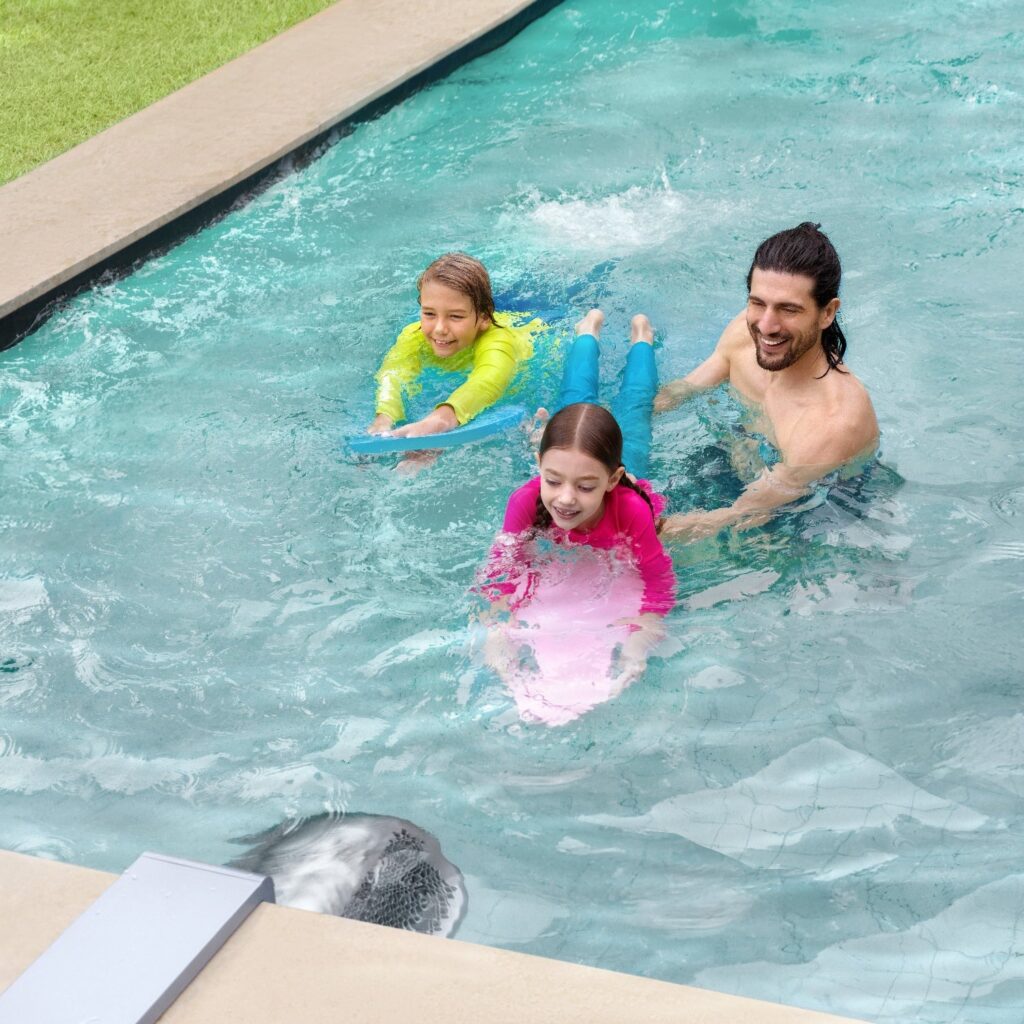
Jet pools represent a fundamental rethinking of how swimmers train at home. Rather than requiring you to travel back and forth across a large body of water, a jet swimming pool generates a powerful, continuous current that allows you to swim in place—effectively turning a compact space into an infinite-length training lane. At the heart of this technology lies the pool jet system, which uses strategically positioned nozzles or propulsion units to create a smooth, wide stream of water that mimics open-water swimming conditions.
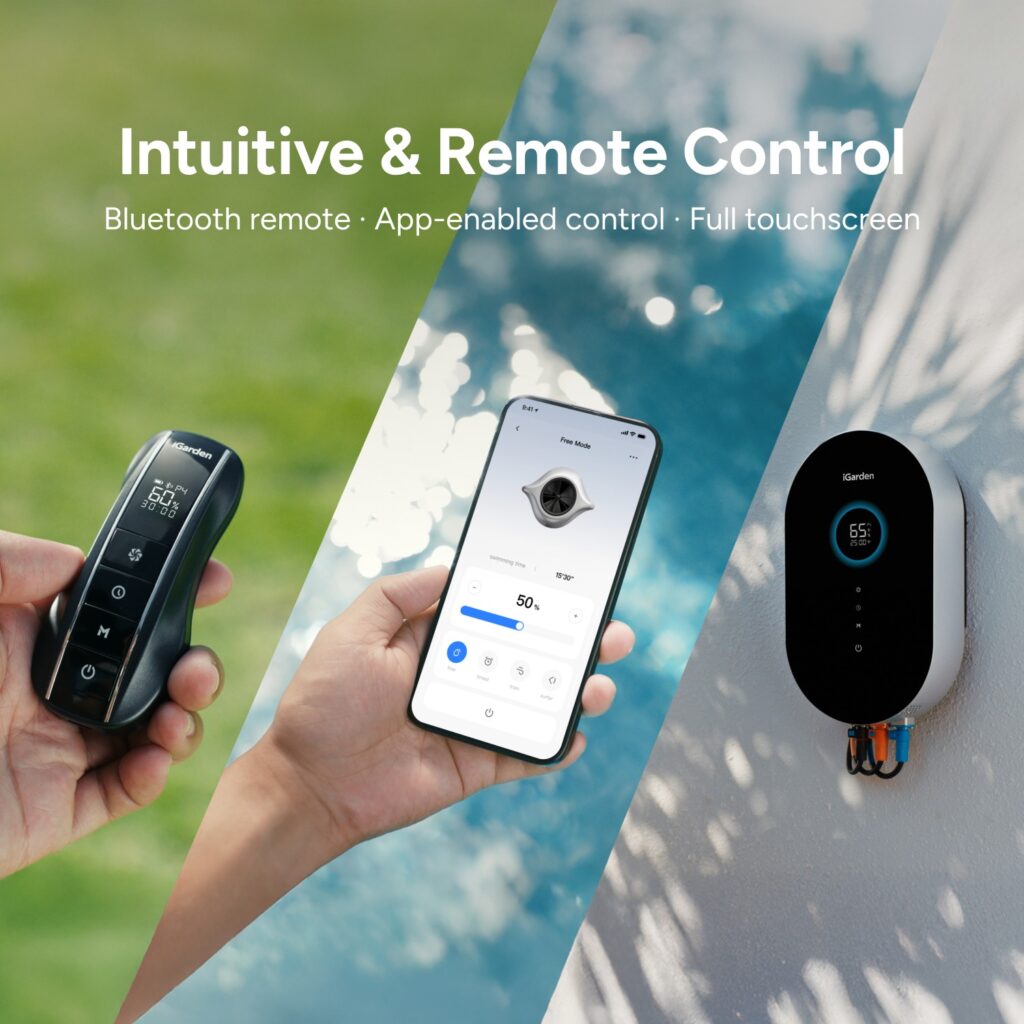
What sets jet pools apart for fitness purposes is their remarkable adaptability. Modern systems offer multiple swimming modes that let you switch between training styles within a single session. You might begin with a gentle warm-up current, ramp up to high-resistance interval sprints, then settle into a moderate endurance pace—all without touching a wall or breaking your stroke rhythm. This programmable versatility means your pool adapts to your fitness level rather than the other way around. Beginners can start with lower flow rates and gradually increase intensity as their conditioning improves, while advanced swimmers can push against currents that challenge even competitive athletes.
The engineering behind these systems has also evolved significantly. Inverter technology now powers many jet pool systems, allowing precise speed control while dramatically reducing energy consumption and operational noise. Unlike older pump designs that ran at a single fixed speed, inverter-driven motors adjust their output smoothly and efficiently, delivering exactly the current strength you select without wasting electricity. This means longer training sessions remain cost-effective, and the quieter operation creates a more pleasant workout environment. For fitness enthusiasts who demand variety, measurable progression, and efficient performance from their equipment, jet pools deliver a training experience that static water simply cannot replicate.
Direct Comparison: Fitness Benefits of Static vs. Jet Pools
Workout Variety and Customization
Static pools offer a singular training format: you swim from one end to the other and repeat. While you can vary your stroke type or pace, the environment itself never changes. Jet pools fundamentally alter this equation by providing multiple swimming modes within one compact unit. You can program interval sessions that alternate between sprint-level currents and recovery flows, simulate open-water drag patterns, or maintain a steady endurance pace for extended periods. This built-in variability keeps your neuromuscular system challenged and prevents the training plateaus that often frustrate swimmers stuck in repetitive lap routines.
Resistance and Progressive Training
In a static pool, the only way to increase resistance is to swim faster or use drag-enhancing equipment like paddles and parachutes. A jet swimming pool, by contrast, lets you dial resistance up or down with precision. This makes progressive overload—the cornerstone of any effective fitness program—straightforward and measurable. You can increase current speed by small increments week over week, tracking your improvement against a consistent, quantifiable benchmark. For rehabilitation or lower-intensity conditioning, reducing the flow creates a gentler environment without sacrificing the continuous swimming experience.
Portability and Installation
Traditional static pools require significant excavation, permanent construction, and dedicated backyard space—typically a minimum of 400 square feet for a meaningful lap distance. Jet pools occupy a fraction of that footprint since you swim in place rather than across distance. Some manufacturers also offer portable swim jet configurations that can be installed in existing pools or relocated if you move homes. This flexibility makes jet pool technology accessible to apartment dwellers with access to shared spaces, homeowners with compact yards, and even fitness professionals who want to offer swim training without building full-scale facilities. The installation timeline is also considerably shorter, often measured in days rather than the weeks or months required for traditional pool construction.
Solutions for Fitness Enthusiasts: Meeting Your Swim Workout Needs
Choosing the right pool for your fitness journey requires more than comparing features on paper. It demands an honest assessment of how you train, where you’ll train, and what kind of progression you expect over months and years of consistent use. The following steps will help you navigate this decision methodically, ensuring your investment directly supports your swim workout goals rather than collecting algae in an underused backyard installation.
Step 1: Assessing Your Fitness Goals and Space
Start by defining what your ideal swim workout actually looks like. If you’re someone who finds peace in repetitive, meditative lap swimming at a consistent pace—and you have 40 or more feet of unobstructed yard space—a static pool may genuinely serve you well. The simplicity of pushing off walls and counting laps appeals to swimmers who treat their sessions as moving meditation rather than structured athletic training.
However, if your goals involve high-intensity interval training, progressive resistance building, stroke technique refinement, or cross-training that mimics open-water conditions, a jet swimming pool with a capable pool jet system becomes the clear match. Measure your available space honestly. Many jet pools fit within a 12-by-8-foot footprint, making them viable for small patios, garage conversions, basements, or narrow side yards that would never accommodate a traditional lap pool. Consider also whether your fitness goals might evolve—a jet pool grows with you through adjustable resistance, while a static pool’s training ceiling is fixed from day one.
Step 2: Choosing the Right Jet Pool Features
Once you’ve confirmed that a jet pool aligns with your training philosophy, focus on selecting features that maximize workout diversity. Prioritize systems offering multiple swimming modes—look for units that provide at least three to five distinct current profiles, from gentle recovery flows to aggressive sprint-level resistance. This range ensures you can structure periodized training blocks without needing supplemental equipment.
For those who travel frequently or rent their living space, portable swim jet models offer remarkable flexibility. These units can attach to existing pool structures or function as standalone systems that disassemble for relocation. They won’t deliver the identical experience of a purpose-built jet pool, but they maintain training continuity when permanent installation isn’t feasible. Additionally, prioritize systems built with inverter technology. Beyond the energy savings—which can reduce operating costs significantly over a pool’s lifetime—inverter-driven motors deliver smoother current transitions between speed settings. This matters during interval training, where abrupt flow changes can disrupt stroke mechanics and reduce workout quality.
Step 3: Integrating into Your Fitness Routine
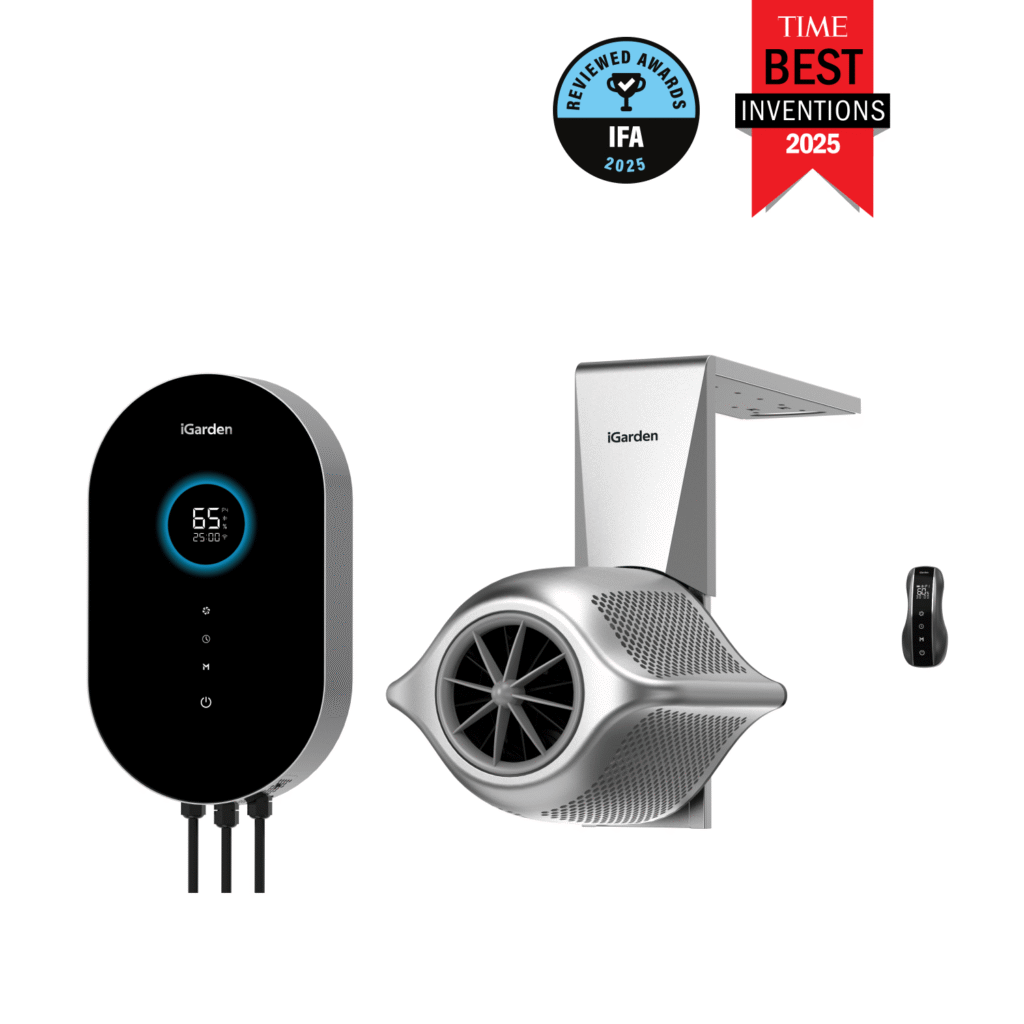
Owning the right pool means nothing without a structured approach to using it. For jet pool owners, build weekly training plans that exploit the current variability: dedicate two sessions to endurance swimming at moderate resistance, one session to high-intensity intervals with short recovery periods, and one technique-focused session at lower speeds where you can concentrate on stroke efficiency without fatigue. As smart home platforms like iGarden continue to expand their ecosystem of connected outdoor living solutions, many fitness-focused homeowners are finding it easier to integrate pool systems into broader automated routines—scheduling sessions, monitoring usage, and optimizing energy consumption alongside other smart home devices. Static pool users should create variety through stroke rotation, timed sets, and incorporating resistance accessories like drag suits or ankle bands to compensate for the unchanging environment. Regardless of pool type, track your sessions consistently—log duration, perceived effort, and any measurable metrics your system provides. This data reveals whether your current setup continues challenging you or whether you’ve outgrown its capabilities, informing future upgrade decisions before motivation stalls.
Choosing the Right Pool for Your Fitness Goals
When weighing static pools against jet pools for fitness, the distinction comes down to training philosophy and lifestyle demands. Static pools deliver a straightforward, familiar swimming experience that works for those content with repetitive lap routines and who have ample space to accommodate meaningful swim distances. They’re simple, reliable, and require no learning curve beyond basic swimming ability.
Jet swimming pools, however, address the evolving expectations of modern fitness enthusiasts far more comprehensively. With adjustable swimming modes that support everything from gentle recovery sessions to punishing sprint intervals, a capable pool jet system that enables true progressive overload, and compact or portable swim jet designs that eliminate space barriers, they represent a more complete training tool. The addition of inverter technology ensures this performance comes without excessive energy costs or disruptive noise.
Your final decision should reflect your honest priorities. If you value workout customization, measurable progression, space efficiency, and the flexibility to adapt your training environment as your fitness evolves, a jet pool is the stronger investment. If simplicity and tradition matter most, a static pool still has its place. For the majority of fitness-focused swimmers seeking results that grow alongside their ambitions, jet pools deliver a training experience that no fixed body of water can match.